Blog

Mineralogique

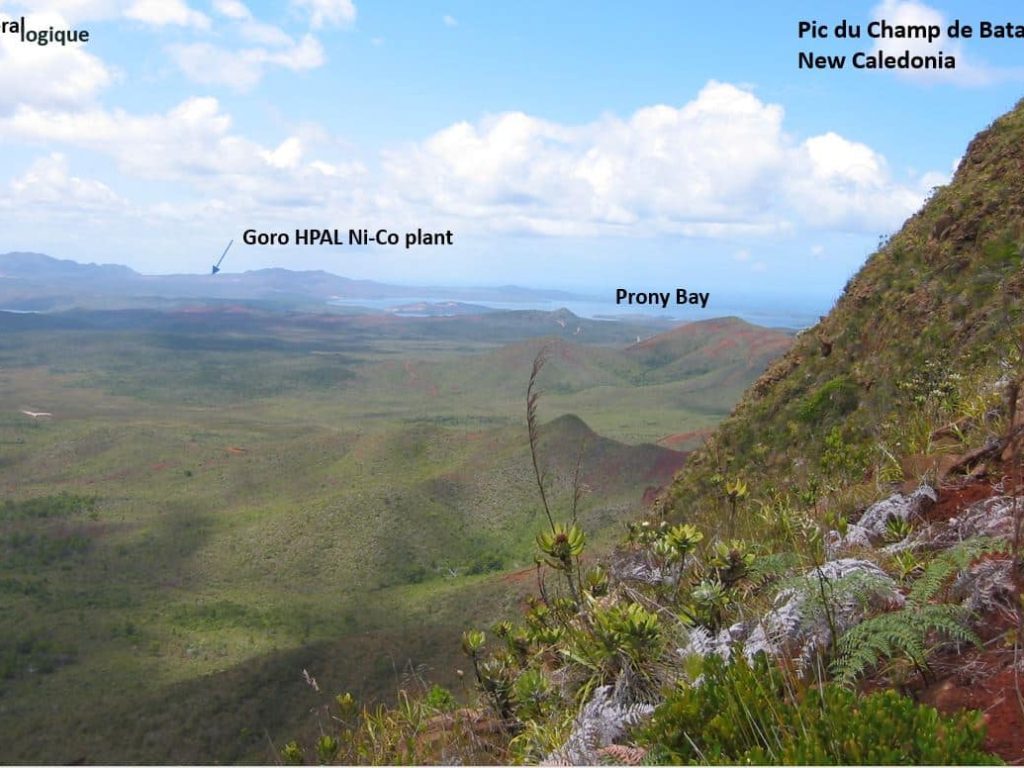
Few years ago, we were a small team carrying out a regional geological mapping campaign in the South of New Caledonia. On the rocky ridges surrounding the ferricrete plateaus of the Prony Bay, we mapped dunite and harzburgite with varying degrees of serpentinization, as well as gabbros dykes.
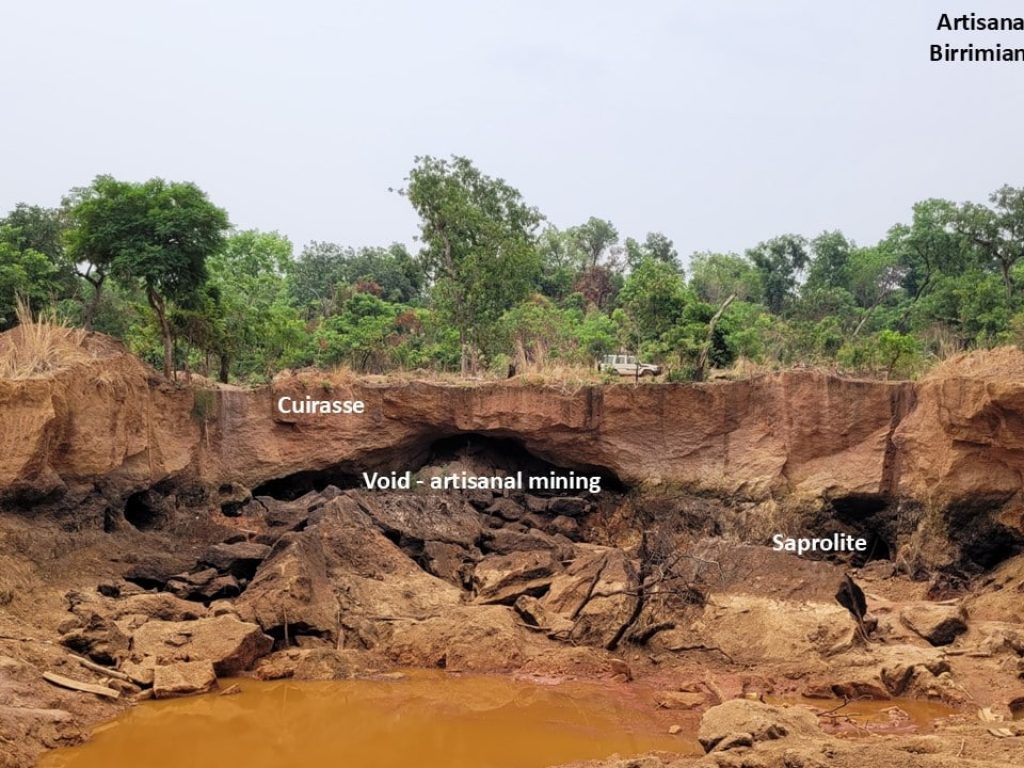
Somewhere in West Africa, while conducting reconnaissance on a remote site where a major gold rush took place in 2014, I found a sample that was unexpected in the context of the gold deposits in the sub-region. At this site, while most of the artisanal miners focused on saprolite, some miners followed the mineralisation down to the bedrock, which consisted of very hard quartzite on the edge of a granitic intrusion. Artisanal mines in fresh rock are relatively rare given the challenges of digging at these depths; only very high grades could justify such work.

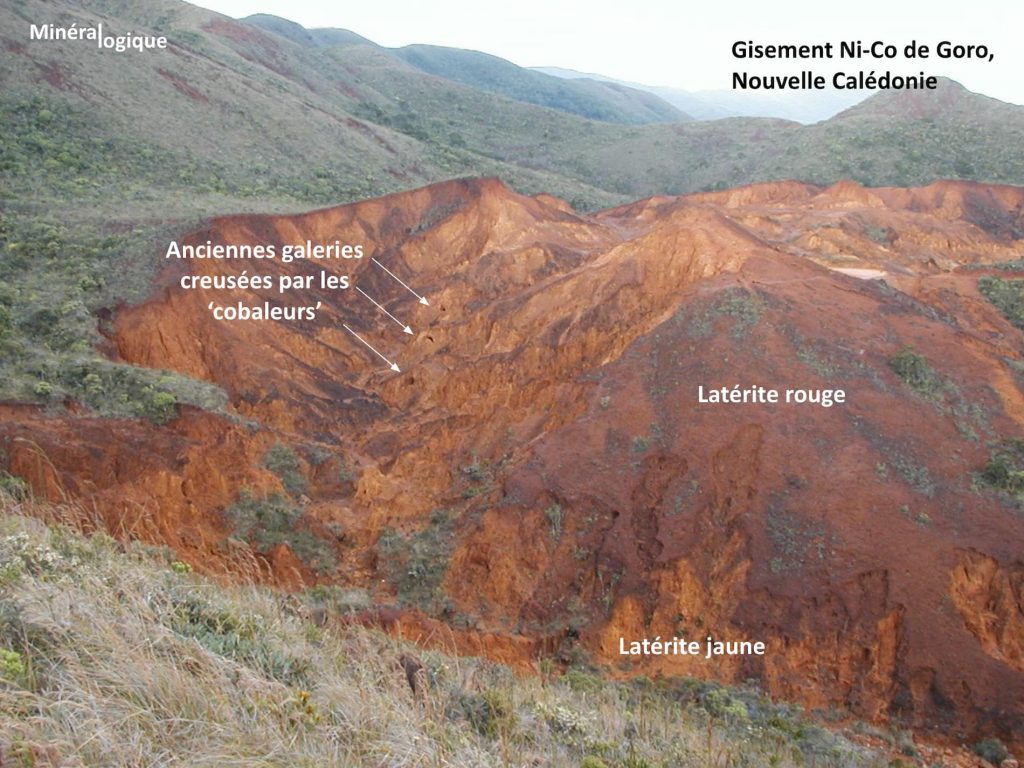
In the early 2000s, during an exploration drilling program on the rim of the Goro deposit, our earthworks uncovered an old adit. It was dug by ‘cobaleurs’, those cobalt miners who were active in NC at the beginning of the 20th century. At that time, NC was almost the only world producer of this rare ore, then the discovery of the Copper Belt and its rich sulfides and oxides Co deposits will rapidly reduce New Caledonian production.
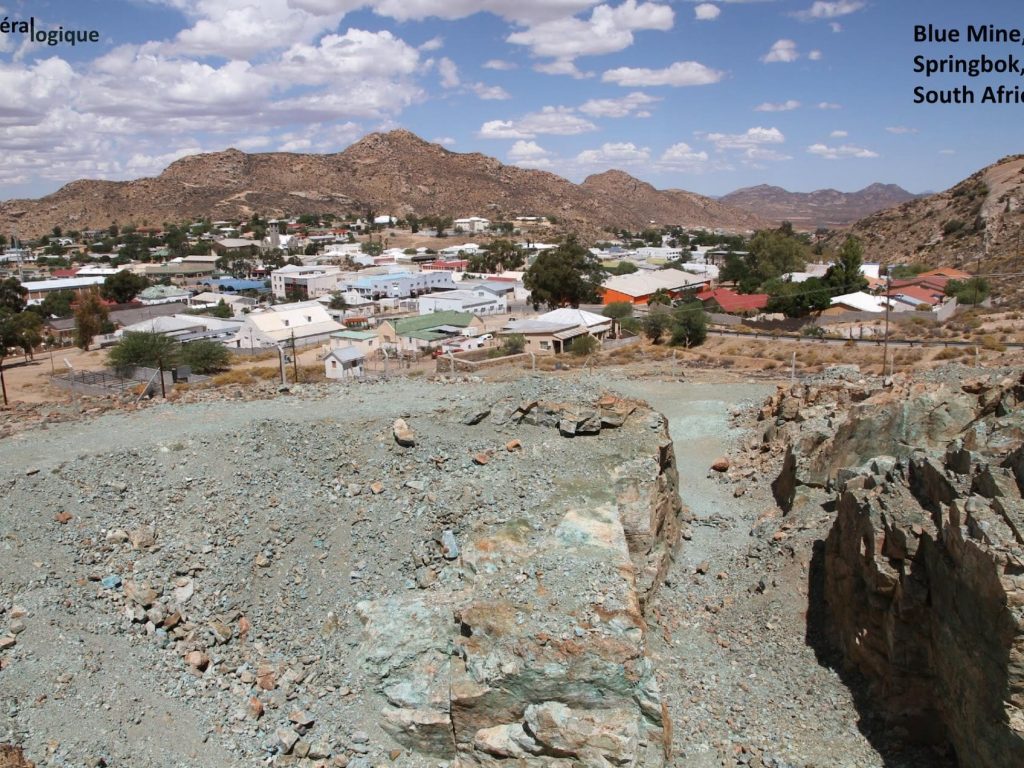
During a field trip in South Africa, I visited the famous Blue Mine in Springbok. This old mine is part of the O’Okiep copper district located in the Namaqualand Metamorphic Complex. The Blue Mine is historically significant as it is considered as the first ‘mining operation’ in South Africa. The mineralised outcrops have been mined by the native people of Namaqualand long before the arrival of European, but industrial mining started only in 1852 with this very mine.
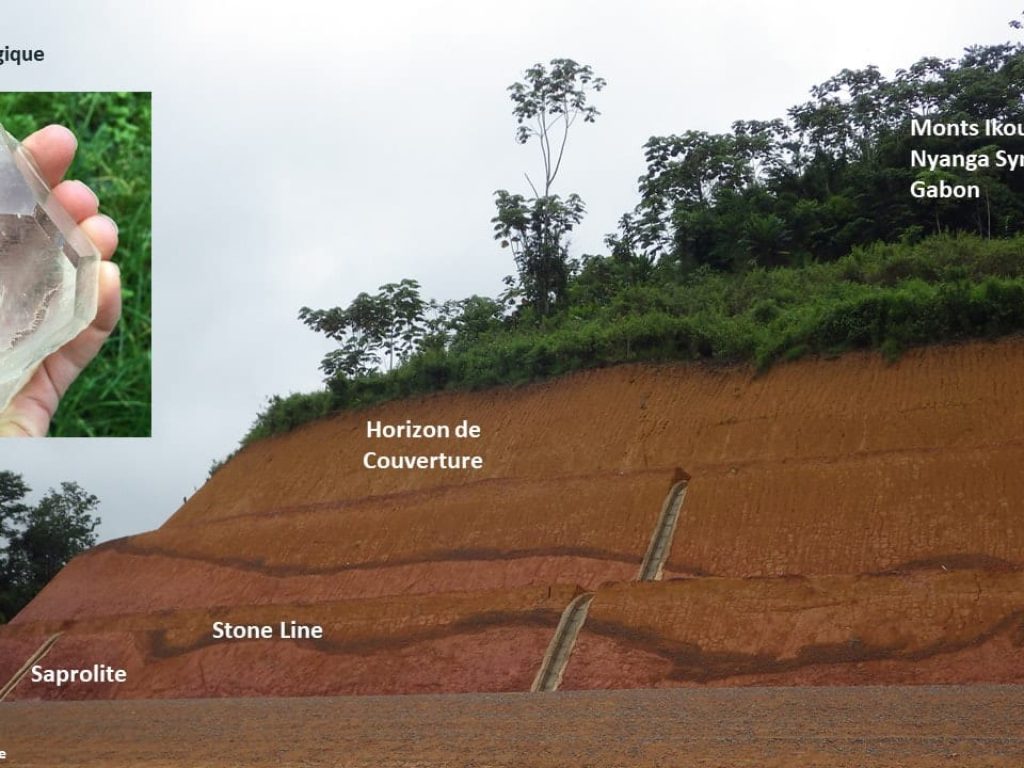
A few years ago, road works between Ndende and Tchibanga uncovered beautiful sections of Gabon's distinctive weathering profile. We used the opportunity to sample the saprolite in order to obtain valuable geochemical information. The yellowish layer at the top of the embankment is the Cover Horizon, which is actually wind-blown silt (loess) from southern Africa, deposited around 35,000 years ago. It varies in thickness from 1 to 4 metres and is found almost everywhere in Gabon. It covers much of the bedrock, but is currently being eroded.
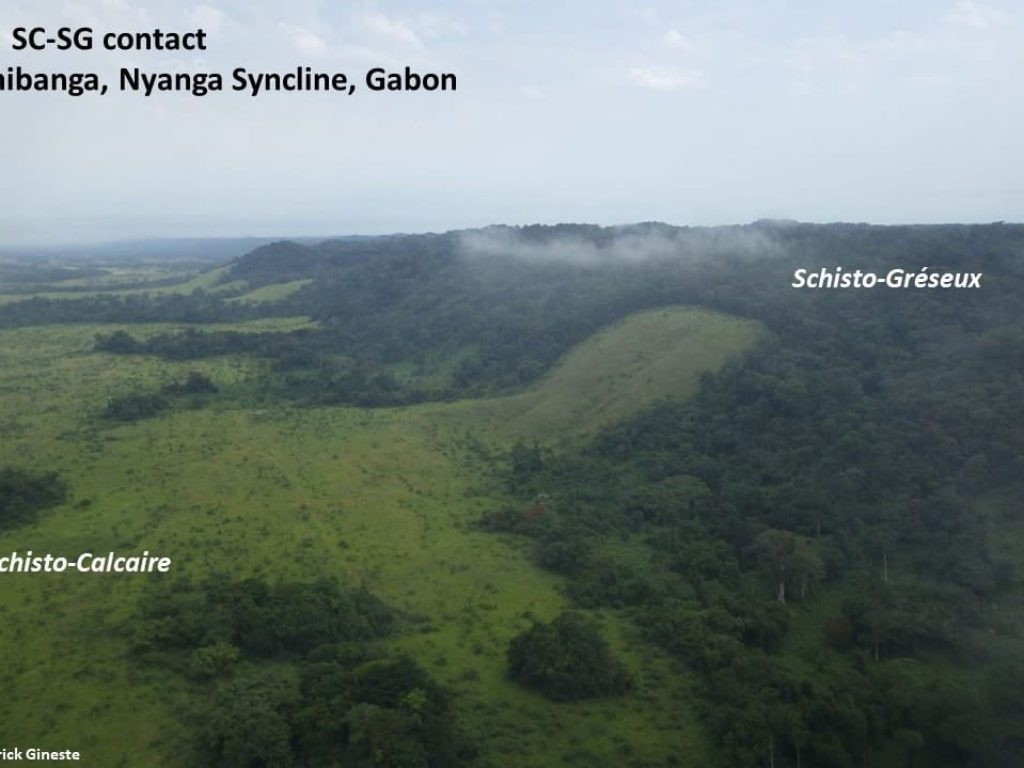
Even without remarkable minerals, I find regolith fascinating. Given the questions raised by my last post, I suggest staying in Gabon and see what the weathering profile looks like a few kilometres away from the Ikoundou Mountains and their hyaline quartz. Let’s head for the plain of Tchibanga which is characterized by a beautiful savannah clearly visible on satellite imagery. It constitutes the south-western flank of the Nyanga syncline, the heart of it being the Schisto-Greseux group while the flanks are made up of the Schisto-Calcaire group. A particularly good example of the geological control of vegetation.

The founder

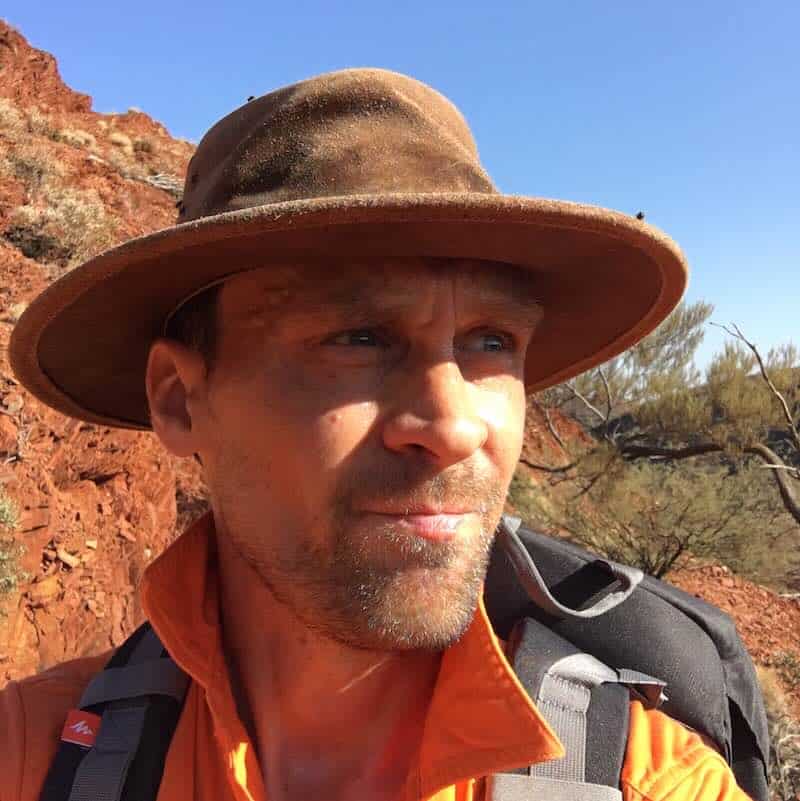
Cédrick Gineste has 35 years of experience in field mineralogy. An exploration geologist since 1997, his field missions have taken him to more than twenty countries across five continents. He has a naturalistic approach to mineralogy and collects deposits and their parageneses rather than minerals.

Journal

Latest articles from Mineralogique

The Mérétrice mine, New-Caledonia

The former lead-zinc-silver mine at Mérétrice was a small operation that was active intermittently between 1884 and 1930 in the far north of New Caledonia.