Greenockite and artisanal mining

Share

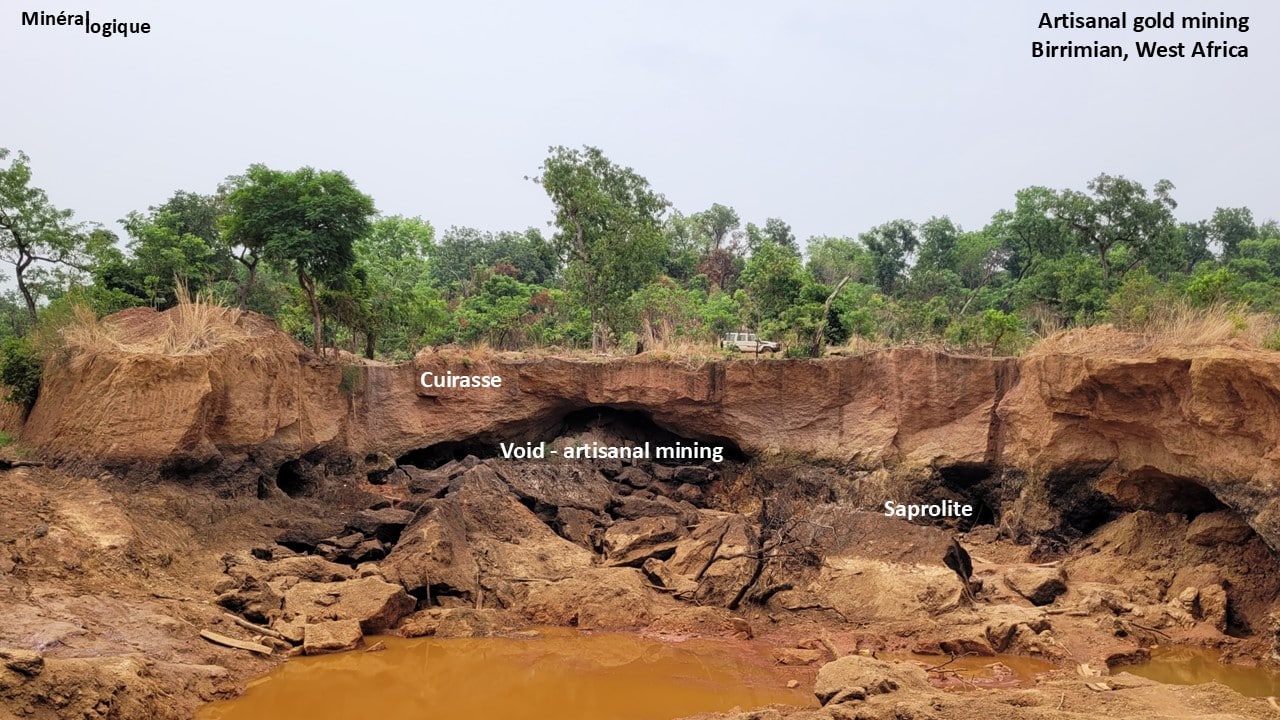
Somewhere in West Africa, while conducting reconnaissance on a remote site where a major gold rush took place in 2014, I found a sample that was unexpected in the context of the gold deposits in the sub-region.
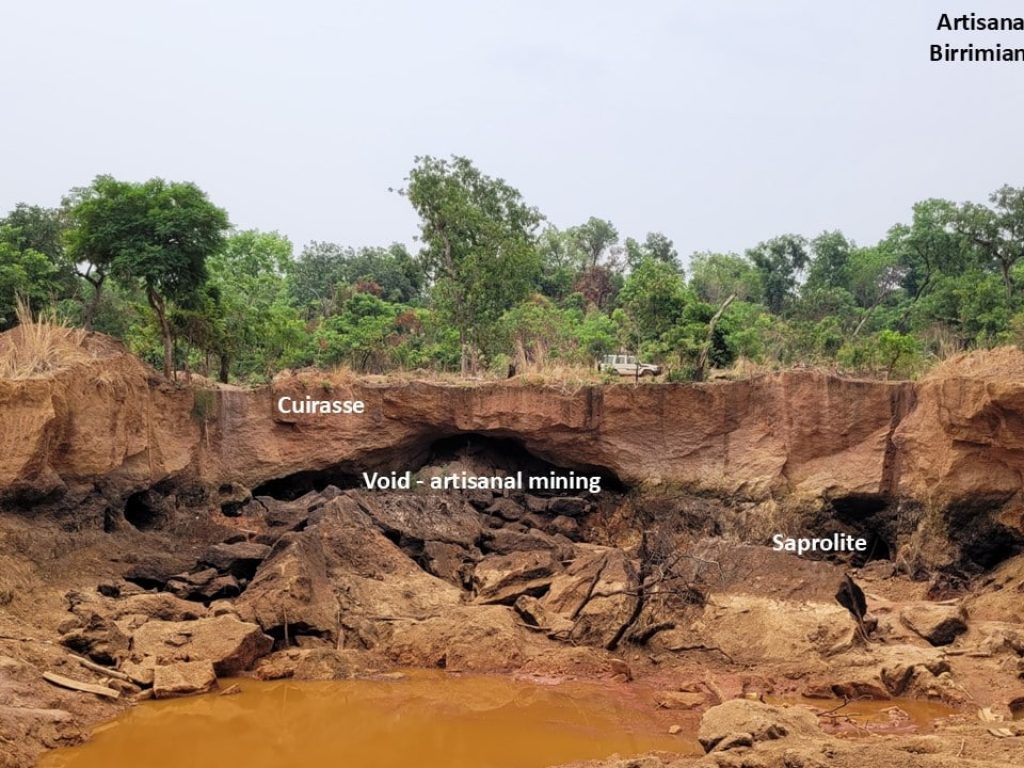
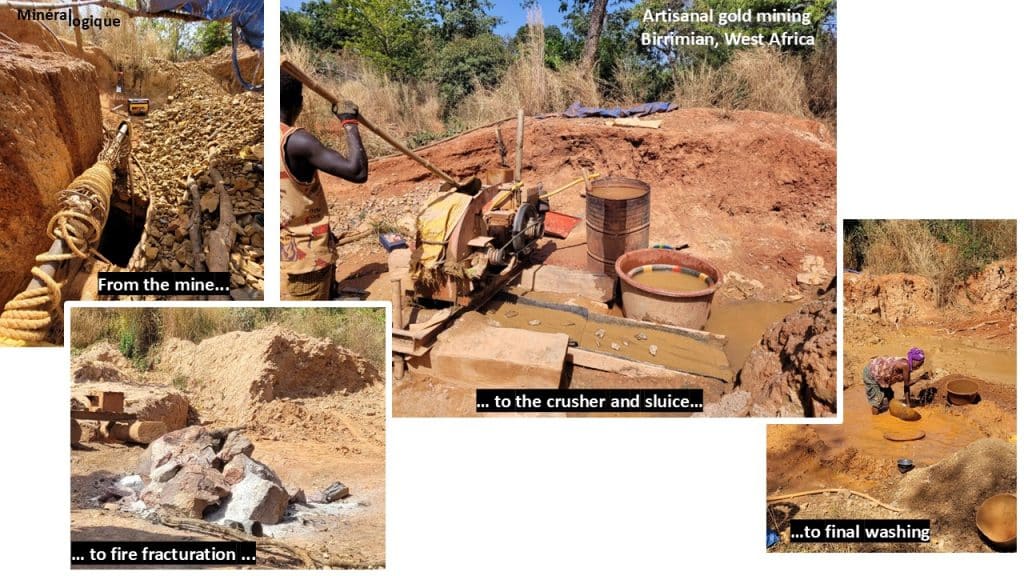
At this site, while most of the artisanal miners focused on saprolite, some miners followed the mineralisation down to the bedrock, which consisted of very hard quartzite on the edge of a granitic intrusion. Artisanal mines in fresh rock are relatively rare given the challenges of digging at these depths; only very high grades could justify such work.

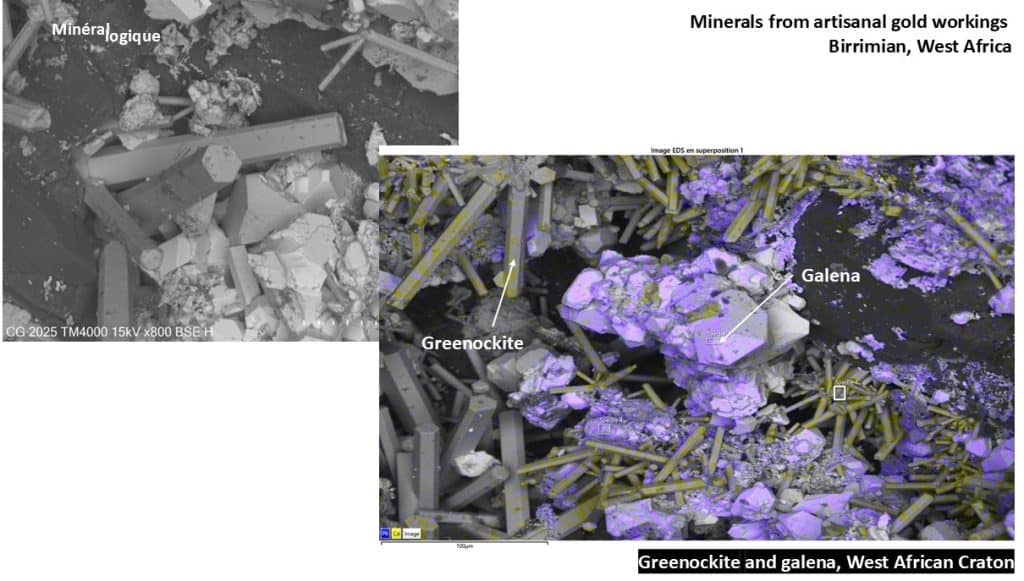
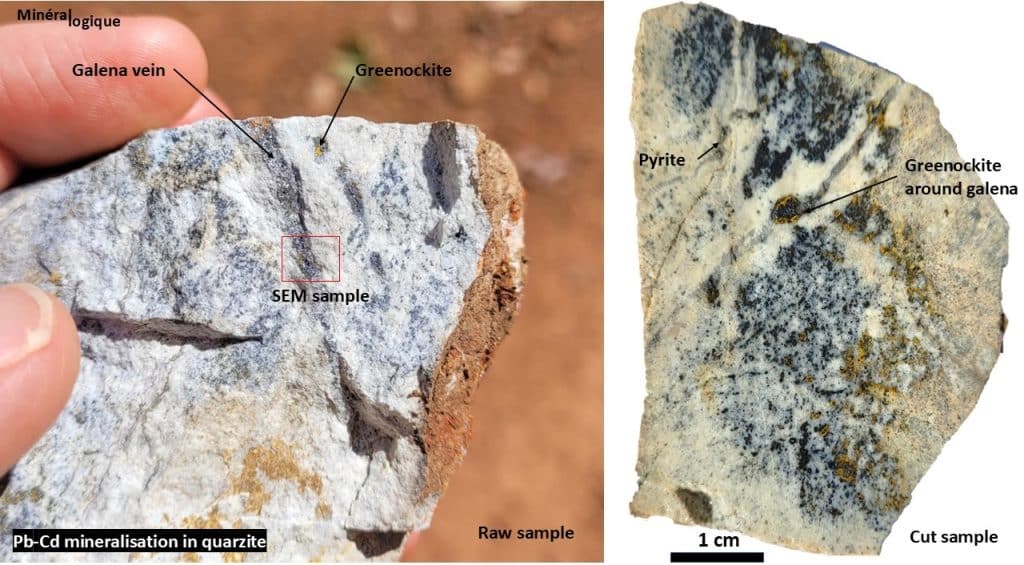
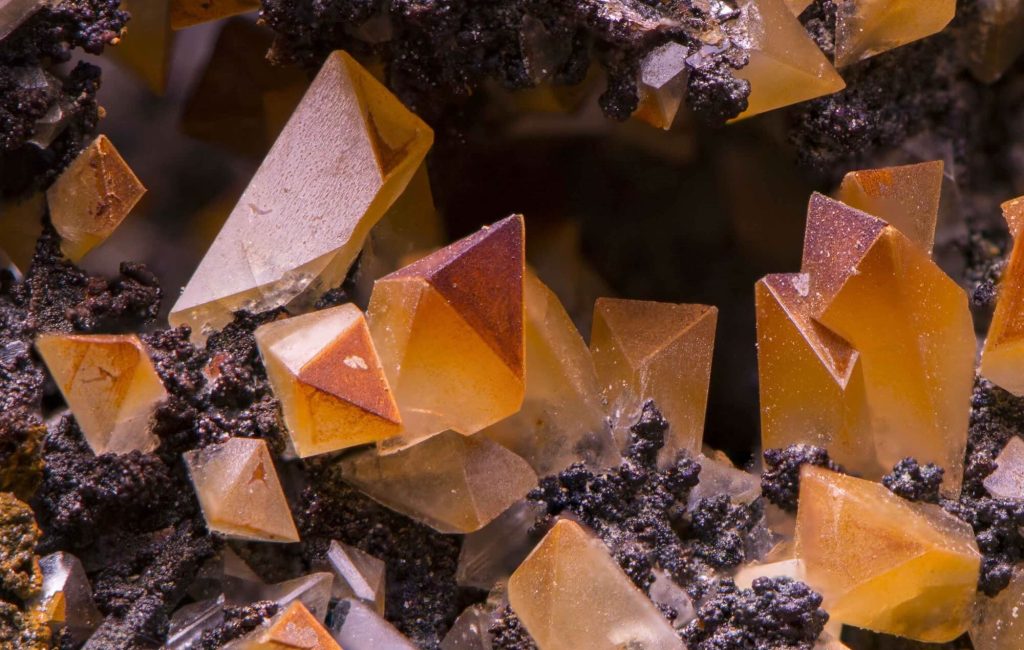
On the ground, a small fragment of rock catches my eye because of its richness in sulphides other than pyrite found elsewhere in the rest of the dumps. Surely a remnant of ore fell from a tricycle that shuttles between the mine and the washing site by the river. Instead of pyrite, I was surprised to recognise galena and, most notably, what I suspect to be greenockite, a cadmium sulfide. Presence of Cd was confirmed a few hours later by XRF analysis and later its hexagonal crystals observed under the SEM.
Several peri-batholitic quartz veins with sphalerite-pyrite-galena-chalcopyrite have been described in West Africa, notably by Bassot in eastern Senegal. They are also mineralised with gold but are generally less economically interesting than the more classic shear zones found in the same terrain.

Here, the presence of cadmium and lead adds a new problem for the health of artisanal miners and the environment of the sites being exploited.
Journal

Latest articles from Mineralogique

The Mérétrice mine, New-Caledonia

The former lead-zinc-silver mine at Mérétrice was a small operation that was active intermittently between 1884 and 1930 in the far north of New Caledonia.

Mineralogique Blog

Somewhere in West Africa, while conducting reconnaissance on a remote site where a major gold rush took place in 2014, I found a sample that was unexpected in the context of the gold deposits in the sub-region. At this site, while most of the artisanal miners focused on saprolite, some miners followed the mineralisation down to the bedrock, which consisted of very hard quartzite on the edge of a granitic intrusion. Artisanal mines in fresh rock are relatively rare given the challenges of digging at these depths; only very high grades could justify such work.
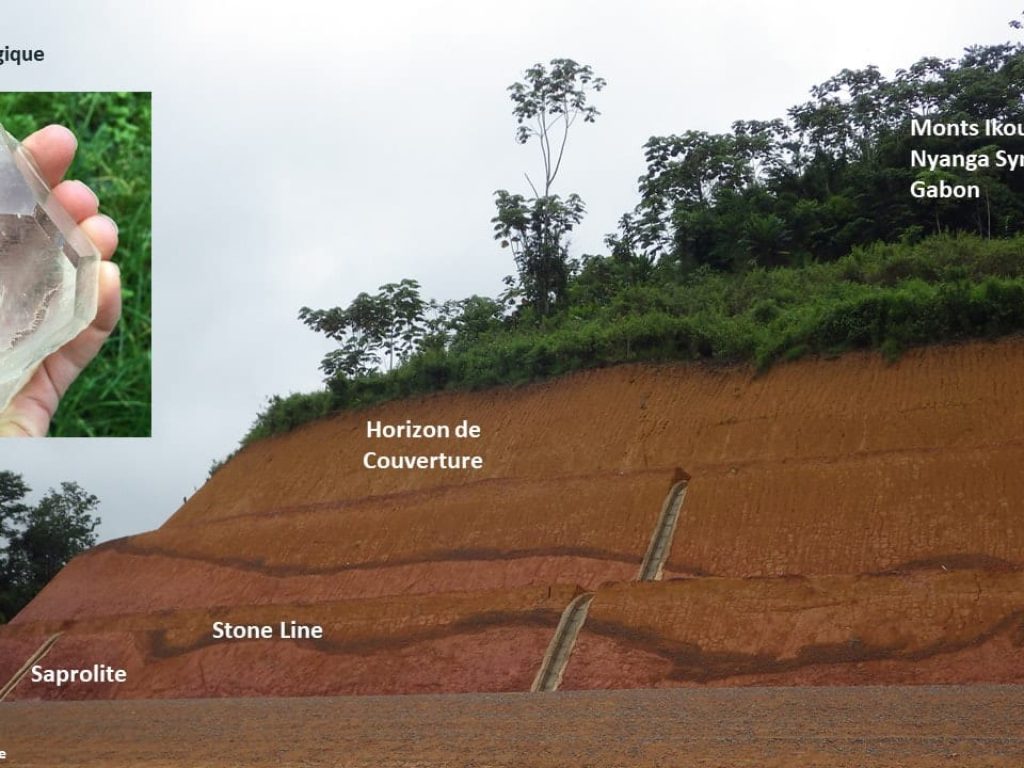
A few years ago, road works between Ndende and Tchibanga uncovered beautiful sections of Gabon's distinctive weathering profile. We used the opportunity to sample the saprolite in order to obtain valuable geochemical information. The yellowish layer at the top of the embankment is the Cover Horizon, which is actually wind-blown silt (loess) from southern Africa, deposited around 35,000 years ago. It varies in thickness from 1 to 4 metres and is found almost everywhere in Gabon. It covers much of the bedrock, but is currently being eroded.
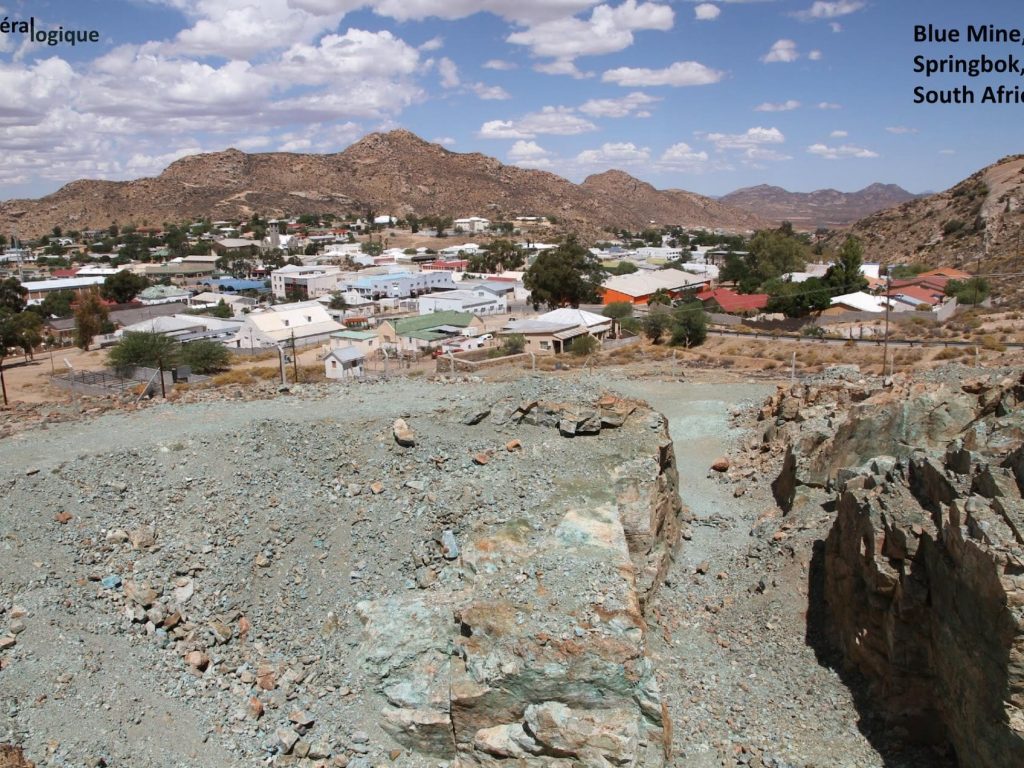
During a field trip in South Africa, I visited the famous Blue Mine in Springbok. This old mine is part of the O’Okiep copper district located in the Namaqualand Metamorphic Complex. The Blue Mine is historically significant as it is considered as the first ‘mining operation’ in South Africa. The mineralised outcrops have been mined by the native people of Namaqualand long before the arrival of European, but industrial mining started only in 1852 with this very mine.